What is blended whisky?
Blended whisky is the world’s most widely enjoyed whisky style. In Scotland alone, it accounts for around 90% of the Scotch whisky market.
But what exactly does blended mean? Blended with what?
This guide takes a deep dive into blended whisky: what it is, how it’s made, its history, and why it should be enjoyed and celebrated.
What is blended whisky?
Blended whisky is made by combining two or more whiskies, often sourced from multiple distilleries. In blended Scotch whisky, this usually means mixing single malt whiskies (distilled from 100% malted barley at a single distillery) with single grain whiskies (from other grains, usually in column stills, at one distillery).
Each component (essentially each different whisky) contributes to the final blend: malts provide character, complexity and regional influence, while grain whiskies add smoothness and lighter flavours.
Blended whiskies may include casks of different ages. Some bottles carry an age statement, showing the youngest whisky in the blend, while NAS (no-age-statement) whiskies allow the master blender (more on that later) to use a range of cask ages to maintain consistency and highlight particular flavours.
A history of blended whisky
Blended whisky emerged in 19th-century Scotland, during a period of rapid industrial, technological and regulatory change. Before blending, whisky was mostly local, produced in small batches, and often varied widely in quality and flavour.
A major innovation was the column still, patented in 1830 by Aeneas Coffey, former Inspector General of Excise in Ireland. Unlike batch pot stills, column stills allow continuous distillation, producing lighter, higher-strength, and more consistent grain whisky.
Legislation also played a role. The Spirits Act of 1860 made it legal to blend malt and grain whisky before sale, laying the legal foundation for modern blended Scotch.
Combining lighter grain whisky with more flavourful malts created a product that was consistent, approachable, and easier to produce at scale. This helped Scotch whisky expand internationally in the late 19th and early 20th centuries, establishing its global reputation. Many of today’s leading whisky brands owe their success to this blending tradition.
Types of blended whisky
There are three types of blended Scotch whisky:
Blended Scotch whisky
The most common style of Scotch whisky, it combines one or more single malt whiskies with one or more single grain whiskies, sourced from different distilleries and matured in oak casks for at least three years. The ratio of malt to grain varies by producer and house style.
Blended malt Scotch whisky
Formerly called “vatted malt,” this style uses only malt whiskies from multiple distilleries. Using only pot-still malt, blended malt usually has a richer, more intense flavour than standard blended Scotch.
Blended Grain Scotch whisky
Made solely from grain whiskies from different distilleries, blended grain is less common. It is lighter, with cask-led notes such as vanilla, oak and coconut, rather than the ester or peat flavours found in malts.
How blended whisky compares to other styles
Blended vs single malt
Single malt whisky comes from a single distillery, uses 100% malted barley, and is distilled in pot stills. Blended whisky combines malt and grain whiskies from multiple distilleries, focusing on consistency and balance. Every bottle should taste the same, even those produced in different years.
Blended vs single grain
Single grain whisky comes from a single distillery and can include barley, wheat, rye or corn. Distilled in column stills, it is lighter with a higher alcohol content at distillation. In blends, grain whisky provides a neutral, smooth base, while malt adds complexity and character. Blended whisky sits between single malt and single grain, combining richness with smoothness.
How blended whisky is made
Blending whisky is one of the most technically demanding aspects of whisky production. It requires precise sensory skills, long-term planning, and a detailed understanding of how spirits behave over time, both in cask and after mixing. The goal is a balanced, consistent whisky, bottle after bottle.
The Master Blender
The master blender (or distillery manager, in Stewart’s case at Arran), shapes and maintains the blend’s profile, selecting casks, adjusting proportions and ensuring consistency despite natural variations in individual barrels.
Selecting the right mix
A blend may include dozens or even hundreds of individual casks, each evaluated for aroma, flavour, mouthfeel and how it will interact with other whiskies in the mix.
Malt whiskies are chosen for character - fruit, spice, smoke, or nuttiness - while grain whiskies provide a smoother, lighter base. Standard blends often contain 30–40% malt and 60–70% grain, while premium blends may use more malt to increase richness.
Cask selection and balancing flavours
The type of cask strongly influences the final whisky. Ex-bourbon casks add vanilla, coconut, and light oak, while sherry or wine casks might contribute dried fruit, spice or deeper colour.
Every cask is unique. Differences in wood, previous use (what liquid it contained), warehouse conditions, and maturation affect strength, aroma and texture. The distillery manager balances these by combining complementary casks and sometimes using younger or older spirits to smooth the final blend.
Blending, marriage and bottling
Once the blender has the right proportions, the whiskies are combined. Some blends are bottled immediately, while others undergo a period of marriage to harmonise flavours.
After blending, the whisky is reduced to bottling strength, sometimes filtered for clarity, and prepared for release. Every step - from cask selection to final dilution - is carefully controlled for a consistent, balanced whisky that keeps the intended character, whether it is opened this year or a decade later.
Characteristics of blended whisky
One of blended whisky’s defining characteristics is balance. Rather than highlighting a single bold flavour, blends aim for harmony across aroma, palate and finish.
Common flavour profiles include:
- Honey, vanilla and soft toffee
- Orchard fruit and gentle citrus
- Light spice and oak
- Subtle smoke or peat, depending on the malts used
Because these flavours aren’t overpowering, blended whisky is naturally versatile and approachable, especially for new whisky drinkers.
It can be enjoyed neat or with a splash of water, works well over ice, and holds its character when mixed - whether topped with a simple highball or used as the base of a classic cocktail.
Arran blended whiskies
Arran Single Malt is in such high demand that very little goes for blending, but we’re very proud of our blended whisky collection.
On the nose, The Robert Burns Blend offers honey, vanilla, light spice and hints of toasted oak and fruit, such as raspberry and almond. The palate features apple and liquorice, with a subtle background smoke, and the finish leaves a gentle vanilla sweetness.
Arran
The Robert Burns Blend
A smooth and characterful Scotch blend with Arran Whisky at its heart, inspired by Scotland's National Bard.
£21.25BUY NOW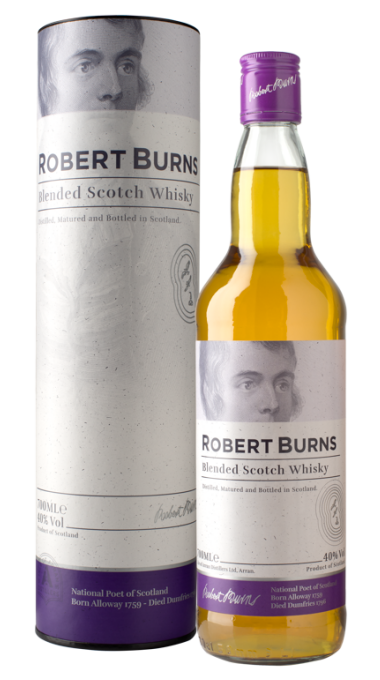
Our Lochranza Blended Whisky is subtler in profile, with a delicate fresh citrus character and an aroma of the sea.
Arran
Lochranza Blended Scotch Whisky
A smooth and characterful Scotch blend, combining the quality of Arran Single Malt with the easy-drinking appeal of a classic island-inspired whisky.
£21.25BUY NOW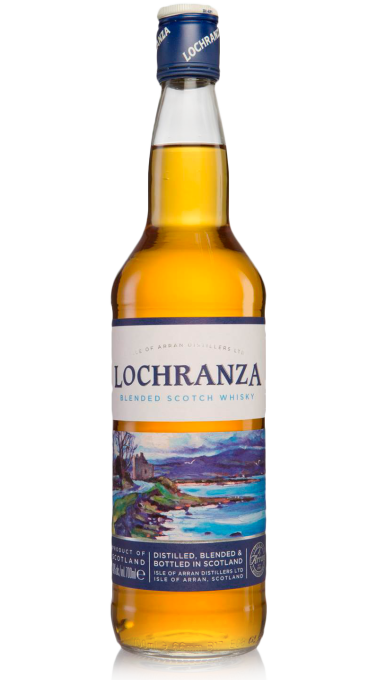
Related content
A guide to whisky cask finishing
Sherry, port, wine, tequila…In recent decades, cask finishing has become an exciting part of modern whisky making.