What is Whisky Cask Finishing?
Sherry, port, wine, tequila…In recent decades, cask finishing has become an exciting part of modern whisky making. In this guide, we take a detailed look at what cask finishing is, its history, the science behind it, and some popular cask finishes.
What is cask finishing?
Cask finishing, also known as secondary maturation, is when we transfer spirit from its original cask into another cask for an additional period of aging. This second cask, which has typically held another spirit or wine - such as sherry, port, Madeira, or rum - imparts additional flavour and aroma, and often adds depth and complexity.
The history of cask finishing
For centuries, distillers have known that the type of barrel or cask a spirit matures in can influence its flavour. In Cognac and Armagnac, for example, the use of Limousin or Tronçais oak for ageing has always been key, and distillers used secondary casks to refine character or adjust balance. Or for port, transferring liquid between different casks - sometimes multiple times - is part of the traditional maturation process.
Whisky makers have also used a variety of casks for maturation, but until recently, this was more to do with practicality. For instance, in the 19th century, sherry casks were common in the UK because sherry was shipped here in barrels to be bottled, so they were readily available for use.
The concept of cask finishing, however, is more modern. In the 1970s and 1980s, distilleries like Glenmorangie and Balvenie began experimenting with ageing whisky in different casks to create unique flavour profiles. They started with sherry and port casks, but this opened the door to many finishes we see today, like rum, madeira and sauternes.
The practice also spread beyond Scotland to other whisk(e)y-producing regions, including Ireland, the United States, and Japan, each adapting cask finishing to their own traditions and regulations.
What is the purpose of cask finishing?
The primary aim of cask finishing is to add extra flavour and notes that the original cask alone cannot achieve.
Let’s take Scotch whisky as an example. A single malt Scotch whisky that has matured for years in ex-bourbon barrels will typically develop lovely vanilla, honey and citrus notes. But what if a distiller wants to create a whisky with more spice, tropical notes, or rich berry aromas? Well, we can get these characteristics from other spirits or wines.
Much like a chef can alter a dish by adding a garnish or a sauce, finishing allows us to refine, enhance, or even transform the whisky’s profile. We can introduce new aromas and tastes, add more complexity and depth, or achieve a greater balance by softening the sharp edges, rounding out tannins (which are extracted from the casks during maturation - more on that below) or adding more sweetness and texture.
Finishing has also given whisky makers the opportunity to innovate and diversify their expressions. By applying different finishes to a core expression, we can build a family of whiskies that showcase versatility without departing too far from our signature style.
How cask finishing works
When we transfer new make spirit to an oak cask, the cask becomes a living part of the whisky-making process. As a whisky matures, it interacts with the wood. Ethanol in the whisky acts as a solvent, extracting chemical compounds from the wood. These include:
- Lignin: breaks down into vanillin, giving whisky its vanilla sweetness.
- Tannins: add structure, bitterness, and dryness, especially from European oak.
- Hemicellulose: caramelises during toasting/charring, releasing sugars, caramel, and toffee notes.
- Lactones: responsible for coconut, cream and woody flavours. They are more common in American oak.
The type of cask we use plays an important role in what a whisky tastes like because of the grain structure of the wood and how the alcohol draws the compounds out.
American oak (Quercus alba) has a tighter grain and releases vanillin and lactones more readily, contributing coconut and creamy notes. European oak (Quercus robur or petraea), denser and richer in tannins, imparts spicier, fruitier characteristics, like dried fruits and clove. Japanese Mizunara oak, which few distilleries outside of Japan use, is prized for its incense-like aromas and hints of sandalwood.
The size of the cask and the length of maturation will also influence the flavour of the whisky. Smaller casks encourage faster maturation because of a higher wood-to-spirit ratio, which accelerates the rate of oxidation.
It’s complicated stuff.
Not only does a distiller need to understand the role all these elements play in primary maturation; they also need to know how to achieve what they want a second time round from a cask finish.
Just like the bourbon barrels used for the original aging period; when we transfer to a secondary cask, the previous contents (e.g. sherry, rum or wine) also leave residual compounds that dissolve into the spirit. The finishing period, which can last anywhere from a few months to several years, draws out the additional flavours and combines them with the base flavours that already exist. For instance, sherry casks contribute dried fruit and nutty notes because of residual Oloroso or Pedro Ximénez compounds, while red wine casks add berry and tannins.
A distiller will choose a cask for finishing specifically based on the desired flavour profile. But again, there’s a science to getting it right. You need to consider:
Porosity of the wood
A fresh or first-fill cask (one that has only been used once) contains a higher concentration of extractable compounds like vanillin, tannins and lactones. These casks impart bold flavours quickly, often within months, because of the abundance of compounds. Conversely, older casks (second-fill or beyond) have already released more of their flavour during prior uses, resulting in slower extraction and subtler influence.
Whether a cask has been toasted or charred also affects the porosity. Toasting (gentle heating) breaks down lignins into vanillin and other aromatics, while charring (intense burning) creates a layer of active carbon that filters impurities and adds caramelised notes. A heavily charred cask, common in bourbon production, extracts flavours faster than a lightly toasted one.
Temperature and humidity
Environmental conditions in the warehouse can affect the finishing process.
Temperature fluctuations cause the oak to expand and contract, allowing the whisky to move in and out of the wood. In warmer climates or warehouses, this interaction happens more quickly, allowing the spirit to penetrate deeper into the cask and extract flavour compounds at a faster rate than in cooler conditions.
Humidity also influences how a whisky develops over time, particularly in terms of alcohol strength. In high-humidity environments, there is less tendency for the water to evaporate from the cask as there is moisture in the air; therefore, more alcohol evaporates relative to the water, which reduces ABV. In drier, less humid conditions, water tends to evaporate faster than alcohol, leading to a gradual increase in ABV as the spirit concentrates.
These factors require distillers to adapt finishing times based on location. A sherry cask finish in a warm warehouse may achieve the desired flavour impact in as little as six months, whereas the same finish in a cooler warehouse could take significantly longer.
Alcohol strength
Higher ABV whiskies (typically 50-60% in cask strength) act as better solvents, extracting wood compounds more efficiently than lower ABV spirits. This is because alcohol is more effective at dissolving non-polar compounds like lignins and tannins, while water extracts polar compounds like sugars.
Cask finishing is an exercise in experimentation and balance. We want to enhance the whisky’s original character, not overshadow it. There is a risk that you can “over-finish” a whisky, where the secondary cask’s flavours overwhelm the base spirit, making it taste more like the cask’s previous contents than whisky. Regular tasting panels and chemical analysis help determine when the finish has reached its peak.
Whisky cask finishes
Distillers have experimented with many spirits for cask finishing.
Sherry
Sherry casks, often made from European oak (Quercus robur) or American oak (Quercus alba), contain sherry wine, such as Oloroso, Pedro Ximénez, or Amontillado. These casks impart rich, fruity and spicy notes to the whisky.
- Nose: Expect aromas of dried fruits (raisins, figs, dates), dark chocolate, roasted nuts and warm spices like cinnamon or clove. Oloroso casks often add a nutty, oxidative character, while Pedro Ximénez brings sweeter, syrupy notes.
- Palate: Full-bodied and complex, with flavours of plum, cherry, toffee and sometimes a hint of leather or tobacco.
- Finish: Long and warming, with lingering sweetness, dried fruit and spice. Pedro Ximénez finishes may leave a sticky, molasses-like aftertaste.
Port
Port casks, typically made from European oak, contain fortified port wine - either ruby, tawny, or white. They add fruitiness and a ruby colour.
- Nose: Rich berry aromas (blackberry, raspberry, red currant), candied orange peel and floral notes. Tawny port casks may introduce caramel and nutty undertones.
- Palate: Juicy red fruits, honeyed sweetness and a velvety texture.
- Finish: Smooth and slightly sweet, with red fruit compote and a hint of oak spice. Tawny port finishes may have a drier, nuttier finish.
Arran
Arran Single Malt: Port Wine Cask Finish
A rich and elegant Arran Single Malt, where premium Port casks enhance the vibrant fruit character of this classic island whisky.
£45.83Buy Now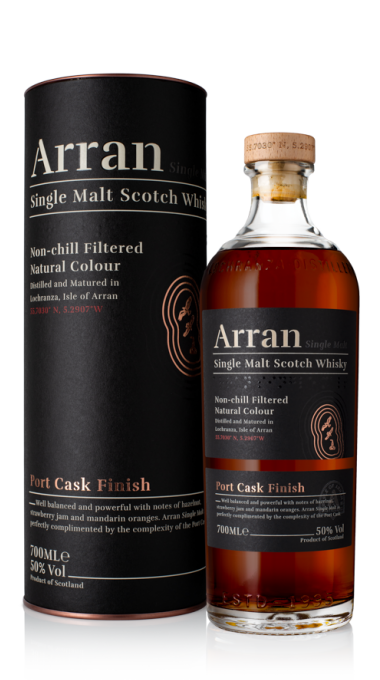
Madeira
Madeira casks, used to age fortified Madeira wine, are often made from American oak and impart bright, tangy and complex flavours.
- Nose: Tropical fruit (pineapple, mango), citrus zest and honey, with a slight briny edge from the wine’s oxidative aging.
- Palate: Zesty and vibrant, with flavours of orange marmalade, apricot and caramelised sugar. A subtle nuttiness may emerge in longer finishes.
- Finish: Refreshing, with citrus and a touch of spice. The finish can feel light yet lingering, with a clean, fruity aftertaste.
Bourbon
Bourbon casks are most often used for primary ageing, but they’re also popular for finishing whiskies to bring out particular flavours. Made from American oak, these casks were previously used to mature bourbon whiskey.
- Nose: Vanilla, caramel, coconut and sweet oak dominate, often with hints of butterscotch or toasted marshmallow.
- Palate: Smooth and sweet, with creamy vanilla, toffee and spice. The oak imparts a rounded mouthfeel.
- Finish: Warm and mellow, with lingering sweetness and a touch of charred oak or cinnamon.
Arran
Arran Single Malt: Quarter Cask
A richly flavoured, cask strength whisky that brings together tradition, intensity and the unmistakable spirit of Arran Single Malt.
£46.25Buy Now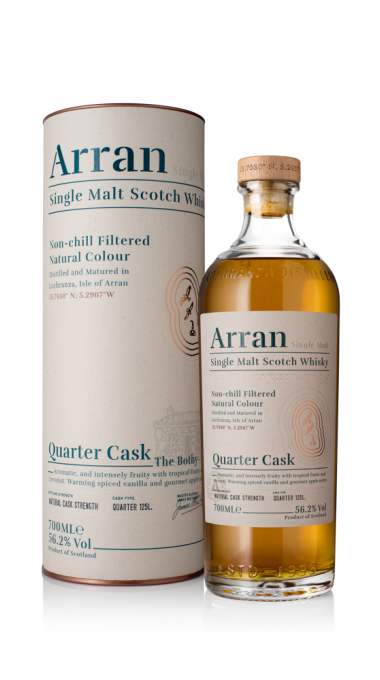
Rum
Rum casks, typically made from American oak, add tropical, sweet and occasionally spicy flavours to the whisky.
- Nose: molasses, brown sugar, tropical fruits (banana, pineapple) and a hint of spice like nutmeg or allspice.
- Palate: Flavours of caramel, ripe banana and candied ginger. Some rum casks add slight smokiness or charred notes.
- Finish: Warm and slightly sticky, with lingering sweetness and a touch of spice or oak char.
Red wine
Red wine casks, often from Bordeaux, Tuscany, or other wine regions, are typically made from European oak and impart bold tannins and berry flavours.
- Nose: Dark berries (blackcurrant, blueberry), red wine tannins and hints of oak spice or graphite. Cabernet Sauvignon casks may add cassis or herbal notes.
- Palate: Robust and fruity, with flavours of black cherry, plum and a touch of pepper or clove. Tannins from the oak and wine add structure.
- Finish: Dry and grippy, with lingering berry fruit and a subtle earthiness. The finish can feel bold and slightly astringent.
Arran
Arran Single Malt: Amarone Wine Cask Finish
Italian red wine influence meets the unmistakable spirit of Arran Single Malt.
£45.83Buy Now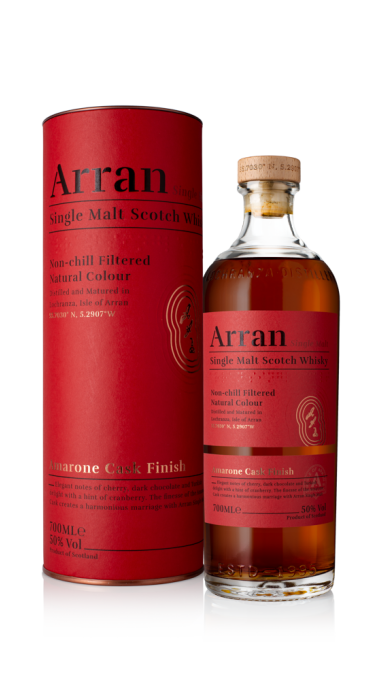
Sauternes
Sauternes casks contribute a luxurious character to whisky, with flavours derived from grapes affected by Botrytis cinerea (“noble rot”). This gives the wine intense sweetness and high acidity. The casks often contribute vibrant fruit, honey and floral notes, balanced by a subtle oak influence.
- Nose: Aromas of honey, ripe stone fruits (peach, apricot), candied orange peel and floral notes like honeysuckle or jasmine.
- Palate: Rich and velvety, with flavours of honeyed apricot, peach nectar and citrus curd. Subtle oak spices, such as vanilla or nutmeg, may emerge, along with a creamy or waxy texture.
- Finish: Long and smooth, with a lingering sweetness of honey and ripe fruit, often accompanied by a hint of citrus.
Arran
Arran Single Malt: Sauternes Wine Cask Finish
Sweet Sauternes wine casks bring out the beautifully fruity character of Arran Single Malt.
£45.83Buy Now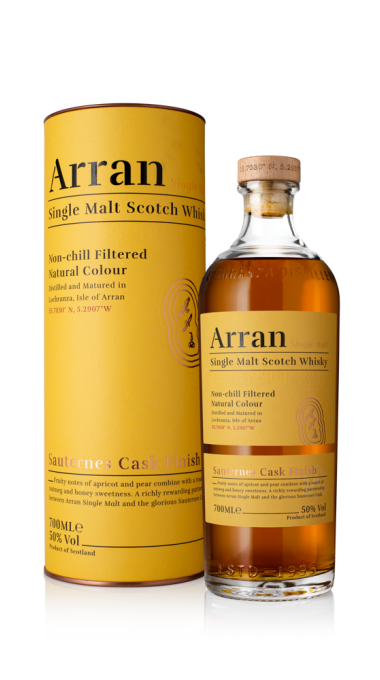
Keep an eye out for any new expressions released for sale in our whisky shop, or sign up to our White Stag community to get information about new releases, exclusive bottlings, and offers and discounts to use in our web shop.
Related content
The Lochranza distillery tour
Learn about the processes involved in producing our award-winning Arran Single Malt.